
By Lauren Sweda
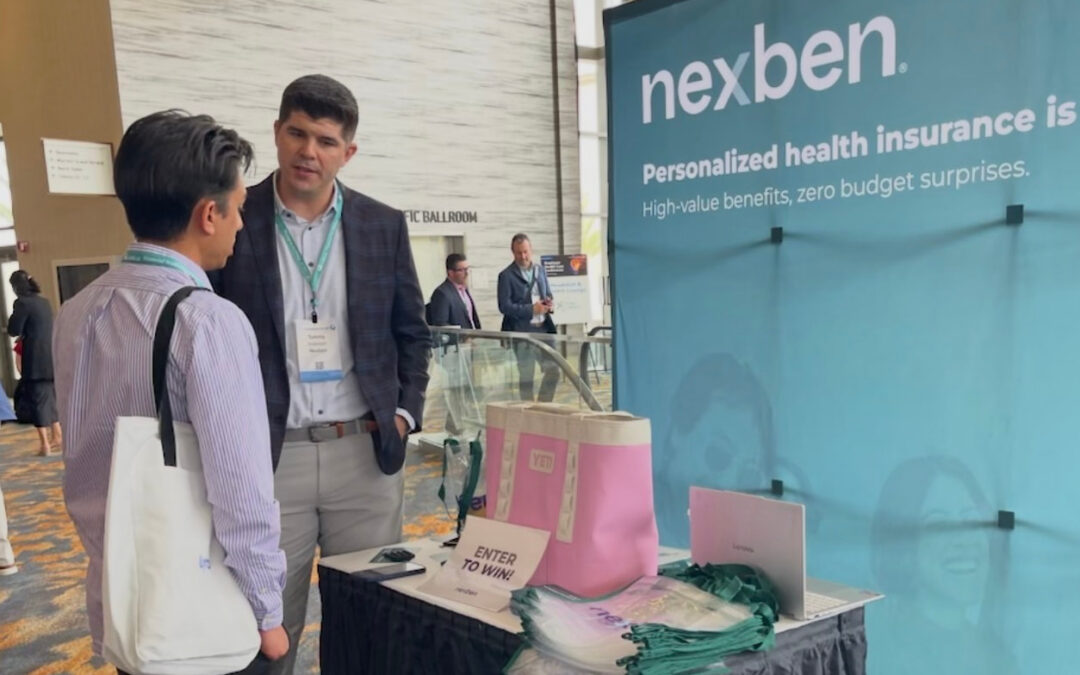
Recently, our team had the pleasure of attending The Conference Board’s Employee Health Care Conference in San Diego, where we spent days sharing our journey to better health benefits models and listening to the stories of our peers. Most importantly, we had several critical conversations with those in attendance around industry disruption and the deep need for something different. Out of all the discussions we had, what resonates with me and the many employers I heard from, is the significantly heightened interest in alternative funding strategies. This discourse signals that reducing risk and expanding choice are top priorities for business leaders of both small and large entities.
Employers want strategies beyond traditional and self-funded insurance
Companies that assume the financial risk for providing health insurance to their employees are bearing the brunt of premium increases. Self-insured employers are facing an unsustainable cost experience as claims increase. The rise in health insurance costs is untenable, driven by rapidly accelerating rate increases, increased service use, expensive specialty drugs, and high-cost claims.
Appetite for change
Employer-sponsored health insurance covers 154 million Americans under 65, making it the main way people get health coverage in the U.S., according to a recent KFF survey. Employers are moving away from models that require one plan to fit everyone, and toward options that can be customized, localized, and cost-predictable.
The health benefits headache is real
The standard of a self-funded insurance approach is no longer enough to insulate companies from the risk of catastrophic claims, rising medical costs, or the rising cost of premiums. Furthermore, multistate challenges pose additional barriers to employers seeking better plans for their employees without compromising their bottom line.
What types of group plan offerings are there?
- Fully-funded, traditional health plans: Employers purchase a group health insurance policy and pay a fixed premium.
- Self-funded health plans: Employers pay for the health services and medical claims as they occur, rather than leveraging a health insurance plan.
- Level-funded health plans: Level-funded insurance is a bit of both. Employers pay a fixed monthly premium similar to fully-funded policies. Plans leverage stop-loss insurance to protect against high claims, and lower-than-expected claims may result in an end-of-year refund.
What big health care shift will we see in 2026?
My conversations at The Conference Board’s Employee Health Care Conference really solidified our perspective at Nexben that employers will continue to move away from a single-carrier mandate to ensure their employees have the best options regardless of ZIP code. This shift enables employees to select from a variety of plans that they actually want, rather than the limited coverage they need. Meanwhile, employers reap the benefits of reduced cost burden and avoid unpredictable fees. But even better than that, they get the opportunity to prove that they prioritize the employee experience by appealing to the appetite for choice, recognizing that better options lead to retention, value, and employee health.
How is ICHRA a game-changer for employee experience?
Employer-sponsored health insurance is the largest source of health coverage in the U.S., according to the U.S. Chamber of Commerce. It’s a vital tool for employers and a critical resource for employees. Here’s what that looks like in action:
- Benefits have become a retention and recruitment lever in a tight labor market.
- The cost of a plan that doesn’t work is turnover, absenteeism, and presenteeism.
- One-size-fits-all plans fail employees and employers alike.
- Communicating benefit changes often triggers employee anxiety, particularly when costs go up.
Takeaway
Brokers play a critical role in translating complexity into confident decision-making, helping curate the vast universe of options and filtering out the noise. Employers are no longer window shopping for better health benefits strategies; they’re actively seeking implementation partners who can help them explore alternative health insurance models and make the switch to ICHRA.
Not sure where to start on your ICHRA journey? Contact our sales team to learn more.
FAQ
What is a self-funded health plan?
With self-funded health care plans, employers take on the financial risk for employees. They pay for the health services and medical claims as they occur, rather than leveraging a health insurance plan. Instead of paying premiums, employers pay for medical claims out of pocket.
What is a fully-funded health plan?
For fully-funded or “traditional” health plans, employers purchase a group plan from health benefits carriers. And employers pay a fixed premium.
What is health benefit cost sharing?
With cost sharing, employers and employees share the costs of health care plans. Often, employers provide a fixed amount to cover the cost of premiums, and employees cover the remainder.
What is a defined contribution health plan?
With defined contribution health plans, employers provide funds for employees to cover the cost of their individual health insurance premiums. Each employee selects their own plan from the individual marketplace.